Kawaii School Supplies: A Practical Design Review for Embroiderers
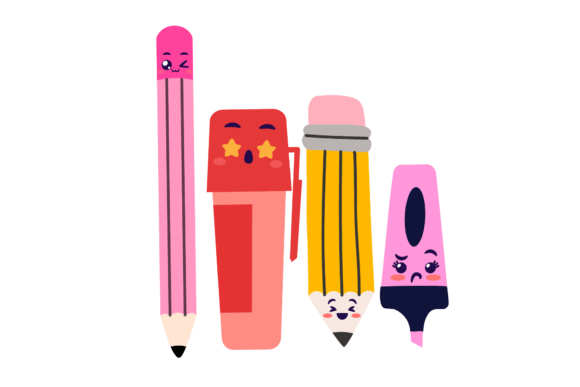
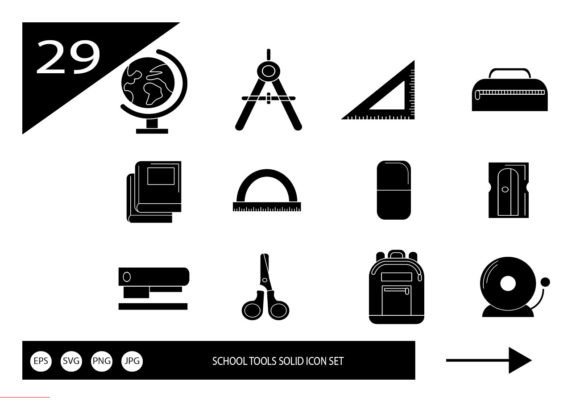
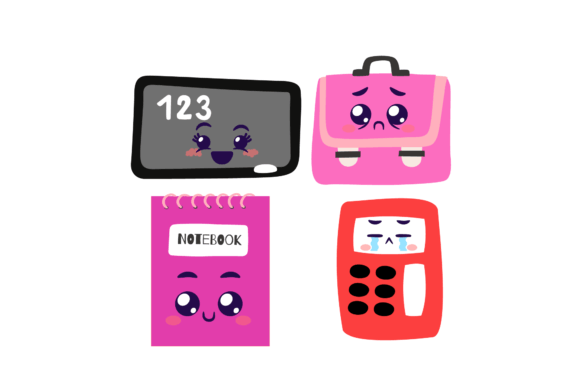
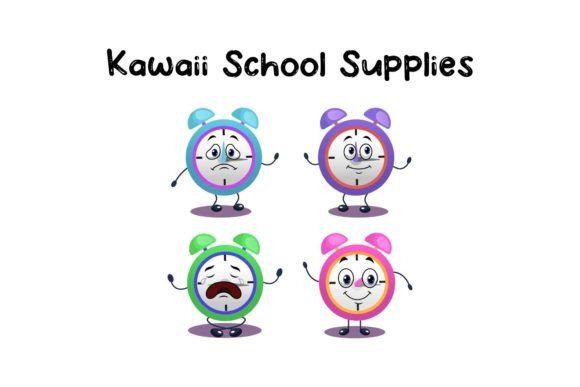
When I first opened the Kawaii School Supplies design files, I wasn’t just looking at graphics on a screen. I was imagining them stitched onto fabric. As someone who has to turn digital files into physical, sellable products, my first question is always: “How will this look after the needle hits the cloth?” This set immediately answered that with a cheerful, approachable vibe. The collection has that classic, gentle kawaii personality—rounded shapes, friendly expressions, and a theme that feels nostalgic yet universally cute. It’s not overly complex; the icons are clean with a level of detail that suggests they’ll translate well into stitches without becoming a muddy mess.
Where This Design Finds Its Perfect Home
The theme naturally points toward certain projects, but its versatility surprised me. Of course, school-themed items are a direct fit: personalized totes for teachers, baby onesies for a little scholar, or patches on a backpack. But the charm extends further. I pictured these icons on a kitchen apron for a baker who loves a cute workspace, or scattered as a playful border on a pillow cover in a cozy reading nook. The mood is lighthearted and giftable. Imagine a set of embroidered tea towels with these icons as a housewarming present for a new teacher, or a single notebook icon on the corner of a linen handkerchief as a unique boutique product. It’s the kind of design that makes a handmade item feel thoughtfully personalized, not just decorated.
The Real-Life Embroidery Scenario: A Custom Tote Bag
Let’s walk through a real case. A client requests a custom embroidered tote bag for her daughter starting kindergarten. She wants something unique, not a generic store-bought item. Kawaii School Supplies offers a perfect solution. I can select a few key icons—perhaps the pencil and notebook—and arrange them near the bag’s pocket. The clean lines and open spaces in the design mean the satin stitches for the pencil barrel and the fill stitch for the notebook cover will be distinct. On a sturdy canvas tote, with proper stabilizer, these elements will pop with clarity. The friendly, rounded aesthetic translates into a soft, appealing texture under the needle. This isn’t a harsh, graphic logo; it’s an embroidered illustration that adds value and story to the finished product.
Performance on Fabric: Where It Shines and Where to Be Careful
In practical embroidery situations, this set performs well because its detail level is manageable. On items like sweatshirts, pillow covers, or aprons, where the fabric is stable and the area is decently sized, the icons will stitch out cleanly. The provided file formats, especially the vector files, are crucial for scaling without loss, allowing me to adapt the design for a baby blanket or the center of a cap without worrying about pixelation.
However, careful consideration is needed in a few areas. The design’s charm lies in its cohesive set, but some individual icons have smaller elements, like the tiny star on a pencil or the subtle curves on a ruler. On very textured fabrics or on curved surfaces like caps, these minute details might need simplification or could require a very precise hoop placement and sharp needle. For dark fabric, the design’s positive, open feel means thoughtful thread color selection is key—bright, contrasting threads will maintain that kawaii cheer. I would never run this on thin, stretchy fabric without a heavy-duty stabilizer, as the fill areas could pull. And for products destined for frequent washing, like kitchen towels, securing those stitches with good density and quality thread becomes a priority.
How This Design Impacts Your Business and Your Customer
Using Kawaii School Supplies isn’t just about stitching; it’s about the final presentation. For a crafter or Etsy seller, a well-executed embroidery of this design elevates a simple product. It shows attention to detail and a grasp of appealing aesthetics, building customer trust in your handmade work. The theme is recognizable and evokes positive emotions, which directly boosts buyer engagement—people connect with cute, familiar school imagery. For brand consistency, if your small shop specializes in gifts, nursery decor, or personalized apparel, this set can become a versatile asset across multiple products, creating a cohesive look.
The giftability is high. A finished embroidered item with these icons feels special and tailored, not mass-produced. For commercial embroidery projects, like a batch of tote bags for a local school fundraiser, the design is scalable and universally appealing, making the project look professional and polished.
Practical Designer Notes Before You Hoop the Fabric
My standard advice for any embroidery file applies doubly here, where the appeal is in the clean, cute execution.
- Always test on scrap fabric first, especially if you plan to use it on a textured or stretchy material. See how the smallest details translate.
- Check thread color contrast against your final fabric background. Do a mental run-through in both light and dark mockups.
- Review the stitch density in your machine’s preview. Are the fill areas balanced? Will they be too dense for a lightweight garment?
- Confirm your hoop size can accommodate the icon at the size you want. Scaling down too much might lose the charming detail.
- This is a graphics set provided in multiple formats, which is excellent for flexibility. But always confirm the licensing terms if you’re selling finished items or digital products derived from it. The file is your tool; understanding its rules is your responsibility.
- For digital product sellers creating printable mockups or using it as a design asset, the high-resolution raster files and vector formats are a solid foundation.
Kawaii School Supplies, as an Icons set, delivers exactly what a working designer needs: a theme with immediate application, a mood that enhances a product, and a structure that, with proper embroidery technique, results in a clean, professional finished product. It’s a design that thinks beyond the digital canvas and anticipates the texture of thread on cloth. That’s the kind of file that ends up not just in a project folder, but on a beloved, frequently used handmade item.