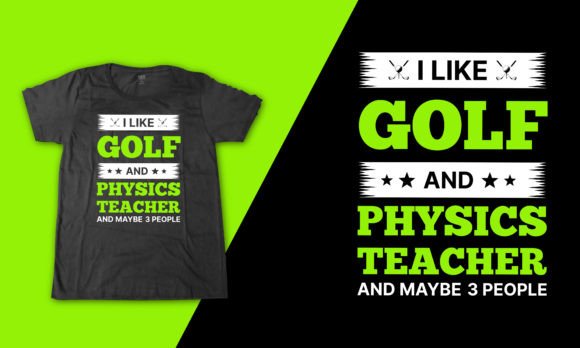
From Physics to Fairway: A Designer's Look at Golf Quote Lettering
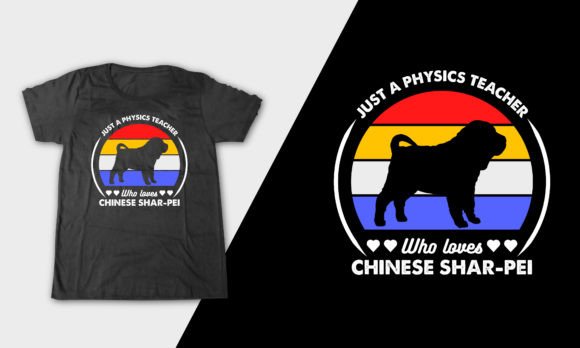
Let’s talk about a specific kind of charm. It’s the charm of a design that doesn’t shout, but has a clear, clever voice. That’s my first impression of this Golf Quote Lettering for Physics Teacher embroidery design. It’s a niche idea executed with a straightforward, approachable personality. You get the theme immediately: the love of science meets the love of golf. This isn’t a loud, graphic sports logo; it’s more like a wearable wink, a piece of text-based humor that feels personal. The mood it creates is witty and friendly, perfect for someone who enjoys a smart pun on a quiet green.
The Shape of the Story: Layout and Practical Embroidery Fit
The layout here is inherently linear and text-driven. We’re working with lettering, which means our embroidery project’s success hinges on stitch clarity and readability. This design naturally belongs to projects where the message is the main event. Think of a custom embroidered polo shirt for the teacher themselves, a neat tote bag for carrying lab papers (or golf balls), or a clean patch sewn onto a canvas hat. It’s a statement piece for relaxed apparel and accessories.
In real-life embroidery situations, this design performs best on stable, smooth fabrics where fine details can sit cleanly. A nice cotton sweatshirt, a classic tee, a linen apron, or a sturdy canvas tote bag are ideal homes. The lettering would translate beautifully into a personalized gift, like a pillow cover for a den or office, or embroidered onto a tea towel for a kitchen that also houses a putter. For a craft business, it’s a strong contender for limited-run merchandise—maybe for a boutique focusing on academic or hobbyist themes. As an Etsy seller, you could easily visualize it on printable mockups for custom orders, appealing to a very specific, delighted customer.
Where This Design Requires a Gentle Touch
Lettering designs, especially with potential small details in the quote formatting, demand careful handling in certain contexts. I would use this with caution on very small hoop sizes; compressed text can lose its readability. Textured fabrics like thick fleece or looped towels might blur the clean edges of the stitches. On thin or stretchy fabric, like a lightweight tee, you’ll need excellent stabilizer to prevent puckering and keep the letters sharp.
Dark fabric backgrounds require thoughtful thread color contrast—a bright white or a pale, contrasting color to make the quote pop. Embroidering on curved surfaces like caps is possible, but you must pay extra attention to the design placement to ensure the linear text doesn’t distort around the curve. The density of the stitch fills in the letters will affect the final feel; too dense on a lightweight garment can make it stiff. Always test on scrap fabric first.
Stitching It Into Value: Customer Appeal and Professional Feel
When this design is stitched well, its visual appeal is in its cleverness and execution. Clean, readable embroidery on a quality item elevates it from a simple graphic to a thoughtful handmade product. For a customer, it builds trust—they see a precise, professional finish that matches the witty concept. That consistency is key for a brand, whether you’re a hobbyist making one-off gifts or a small shop with a line of science-and-sport themed items.
The giftability here is high. It’s a recognizable joke for a specific person, which makes it feel more personal than a generic logo. For buyer engagement, presenting it in your shop or at a craft fair on a well-made sample—say, a neatly embroidered organic cotton tee—will draw the right people. They’ll see the finished product and instantly imagine who they’d give it to, or whether it’s for them.
A Designer’s Practical Notes Before Hooping Up
My process before running any embroidery file like this always involves a few checks. First, I test the design on a scrap of the actual fabric I plan to use. This reveals how the stitch density behaves and whether any tiny details in the lettering, like punctuation or thin lines, stitch out cleanly. I review thread color contrast by looking at the design in both black and white mockups mentally; on a light background, a dark thread might be classic, on a dark background, a metallic or bright thread could be striking.
Confirm your hoop size can accommodate the entire design without needing to resize it, as resizing text can affect stitch integrity. Inspect the provided files—in this case, we have formats like EPS, SVG, and PNG mentioned—to understand their use. The PNG might be for quick previews, while the vector files are likely for the actual machine embroidery process. Crucially, always check the licensing terms before selling finished items or digital products. The description mentions “Sell The,” but you must confirm what that means for commercial use. Is it for finished physical products? For digital resale? Clear this before your craft business invests in production.
Use proper stabilizer suited to your fabric, especially for apparel that will need frequent washing. A well-stabilized, neatly stitched design will last through washes and maintain its handmade presentation. Finally, consider where this design shines brightest: as a custom embroidery for a personal gift, or as a commercial embroidery asset for a small shop targeting niche hobbies. Its value is in its specific appeal, so place it where that audience will find it.
In the end, the Golf Quote Lettering for Physics Teacher is a fun, focused embroidery design. It asks for a mindful approach to the technical aspects of stitching text, but rewards you with a product that has a clear personality and a ready-made audience. Stitch it cleanly, place it wisely, and it becomes more than just a graphic—it becomes a conversation starter, worn or carried with a smile.