Evaluating the Thankful Teacher Thanksgiving Embroidery Design
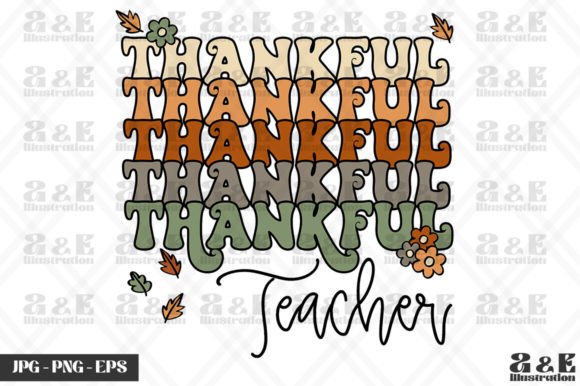
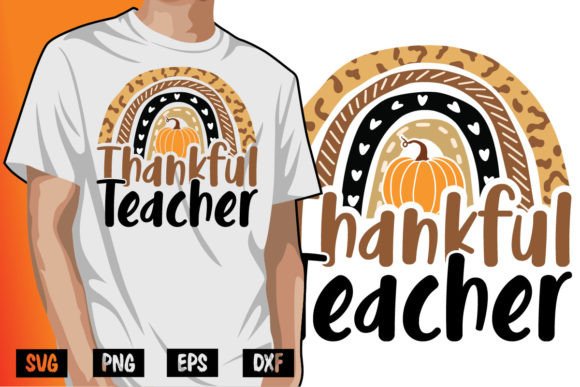
Whenever I get a new design file, I open it up and imagine it already stitched out. That’s the first test. With the Thankful Teacher Thanksgiving design, my immediate thought was: this is warm, approachable, and destined for a soft, cozy fabric. It’s not a sharp, corporate typographic piece; it’s a handwritten-style sentiment with a personality that feels genuine. That mood is its greatest asset. It tells me this design belongs on a gift, something meant to convey personal appreciation, not just on a generic garment.
The Natural Habitat for This Design
In my workflow, I picture real products. For this one, I immediately visualized a soft heather gray sweatshirt or a sturdy canvas tote bag. It’s the kind of design that elevates simple, everyday items into thoughtful presents. I could see it embroidered on the corner of a blanket for a teacher’s cozy evening, or centered on a high-quality apron for someone who loves hosting Thanksgiving. The layout is balanced and forgiving—it doesn’t demand perfection in placement, which is a relief when working on curved surfaces like caps or on baby items where hoop placement can be tricky.
For small business owners and Etsy sellers, this design translates into products with strong giftability. A customer browsing for a “thank you” gift isn’t looking for flashy graphics; they’re looking for sincerity. This design delivers that visually. Stitched onto a nice tea towel or a pillow cover, it becomes a boutique product with a clear story.
Where It Excels and Where to Tread Carefully
In practical embroidery situations, the design’s strength is its moderate detail level. It’s not overly dense, which means good stitch clarity on a variety of fabrics. On a mid-weight sweatshirt or a tote, it will look crisp and full without risking puckering from too-high stitch density. The description mentions easy color change for dark or white backgrounds, which is crucial. On a dark fabric, I’d plan for slightly brighter, warmer thread colors to keep that friendly feel. On a white or light baby garment, softer, classic autumn tones would work beautifully.
Considerations for a Smooth Stitch-Out
There are always caveats. The handwritten style means there are likely some continuous curves and smaller details in the lettering. On very textured fabrics like some knits, or on thin, stretchy fabrics without proper stabilizer, those fine details could lose definition. For a project like a baby onesie, I’d definitely use a firm cut-away stabilizer and perhaps consider a slightly larger hoop size than minimum to give the design space to breathe. Embroidering it on a cap’s curved panel requires extra attention to stabilization too, but the design’s organic shape should adapt well.
For crafters making patches, this would be a lovely standalone applique or embroidered patch. The positive message makes it a versatile patch for a backpack or jacket. However, if you’re thinking of very small-scale embroidery, like on a tiny pocket of a child’s shirt, you’d need to verify the minimum workable hoop size. Smaller details can become muddy if scaled down too much.
Turning a Digital File into a Trusted Product
The leap from a digital file to a finished product that builds customer trust is all about execution. Using this design, the handmade presentation is inherently good because the theme is heartfelt. That builds brand consistency for a shop focused on gratitude, gifts, or educational themes. For commercial embroidery projects, like a school ordering a batch of thank-you gifts for its staff, this design offers a professional yet personal look.
My practical notes for any designer or maker using this would be:
- Always test on a scrap of your target fabric first. Check thread color contrast against your actual material, not just a screen.
- Pay close attention to the small details in the lettering during your test. Are the loops and connections stitching cleanly?
- Since the description emphasizes color flexibility, create both a black and white mockup and a light and dark fabric background mockup if you’re selling the finished product digitally or in a listing. It shows versatility.
- Confirm the licensing terms for this graphics file. As it’s categorized under T-Shirt Designs, understand the rules for using it in personal versus commercial projects before selling your embroidered items.
- For products that will need frequent washing, like kitchen towels or baby clothes, ensure your stitch density and stabilizer choice are robust enough to maintain integrity over time.
The Final Impression: A Design with Purpose
Reviewing Thankful Teacher Thanksgiving isn’t about dissecting every vector point. It’s about recognizing its place in the world of real, stitched projects. It’s not a flashy, all-purpose graphic. It’s a niche design with a clear purpose: to express thanks in a warm, tangible way. That focus is its power. When you embroider it onto a quality item, you’re not just decorating fabric; you’re creating a keepsake. For makers, that’s the sweet spot—a design that carries its own meaning and effortlessly boosts the value of the finished product you create around it.
In the end, my judgment is practical and positive. This is a design I would confidently pull into a project for a custom gift, a boutique holiday collection, or a small batch of teacher appreciation merchandise. Its visual personality is its guide, telling you exactly what kind of project it wants to be part of. Listen to that, pair it with the right fabric and careful technique, and it will stitch out into something genuinely appreciative.